Open access

Papers, explained

338 open-access papers, free to watch.

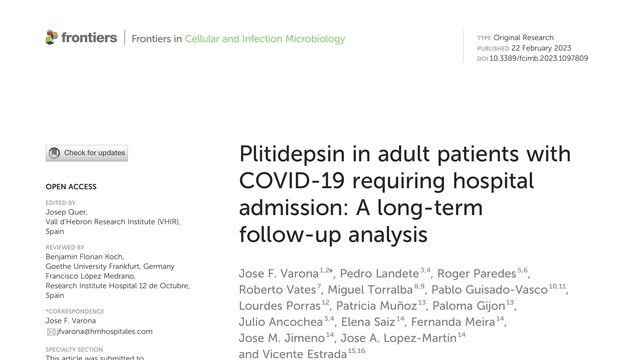
Plitidepsin in adult patients with COVID-19 requiring hospital admission: A long-term follow-up analysis 3:48

Plitidepsin in adult patients with COVID-19 requiring hospital admission: A long-term follow-up analysis

COVID-19 can end in the hospital and still keep changing a person’s life months later. This follow-up asks whether people treated with plitidepsin remained well over the longer term.

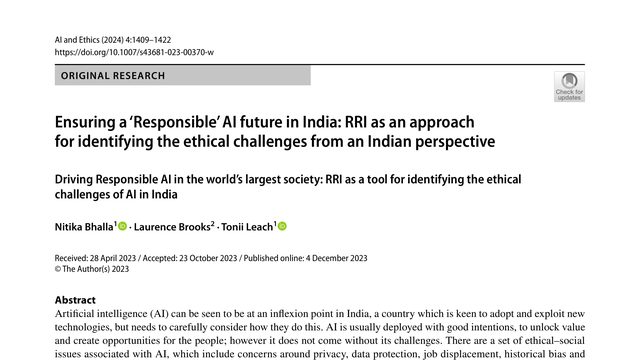
Ensuring a ‘Responsible’ AI future in India: RRI as an approach for identifying the ethical challenges from an Indian perspective 4:45

Ensuring a ‘Responsible’ AI future in India: RRI as an approach for identifying the ethical challenges from an Indian perspective

India is rushing toward artificial intelligence, but the people most affected may not be the people deciding how it is used. This study asks a practical question: how can India spot the risks before they become everyday harm?

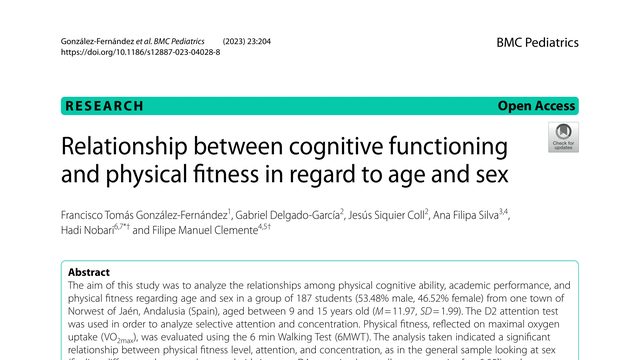
Relationship between cognitive functioning and physical fitness in regard to age and sex 3:45

Relationship between cognitive functioning and physical fitness in regard to age and sex

Could a child’s physical fitness be linked to how well they focus? This study found a connection, but the pattern changed with age, sex, and the kind of attention being measured.

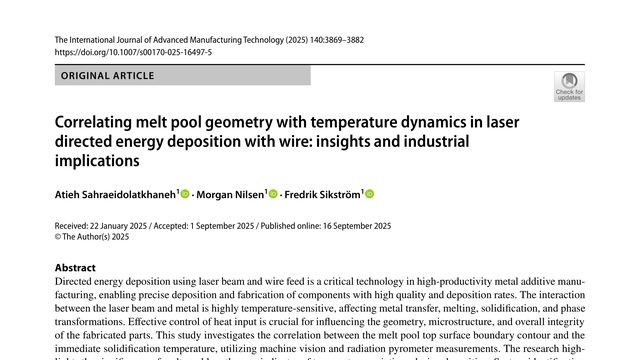
Correlating melt pool geometry with temperature dynamics in laser directed energy deposition with wire: insights and industrial implications 4:04

Correlating melt pool geometry with temperature dynamics in laser directed energy deposition with wire: insights and industrial implications

When a machine builds a metal part layer by layer, a small pool of molten metal changes shape as the heat changes. This study finds that one simple dimension of that pool can reveal temperature well enough to help control the build.

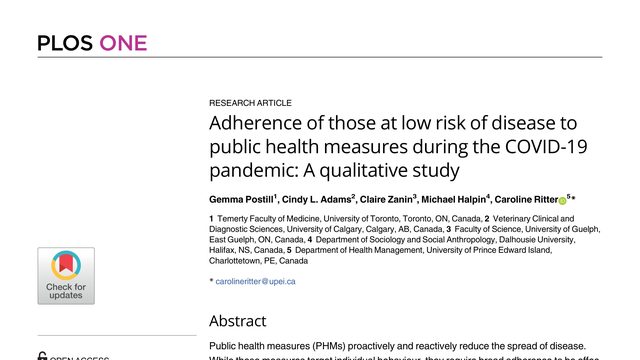
Adherence of those at low risk of disease to public health measures during the COVID-19 pandemic: A qualitative study 4:00

Adherence of those at low risk of disease to public health measures during the COVID-19 pandemic: A qualitative study

When danger feels far away, health rules can seem easy to ignore. Yet young adults in a low-risk community often followed them, not simply because they were afraid, but because they felt connected to other people.

SARS-Cov-2 incubation period according to vaccination status during the fifth COVID-19 wave in a tertiary-care center in Spain: a cohort study 3:40

SARS-Cov-2 incubation period according to vaccination status during the fifth COVID-19 wave in a tertiary-care center in Spain: a cohort study

Vaccination protected people from severe COVID, but did it also change the hidden countdown between infection and symptoms? This study found a more complicated answer than a simple yes or no.

Understanding knowledge, attitudes and behaviours related to dietary sodium intake in a multi-ethnic population in Singapore 3:15

Understanding knowledge, attitudes and behaviours related to dietary sodium intake in a multi-ethnic population in Singapore

Most people in this Singapore study knew that too much salt can harm health. But many still could not tell how much they should eat, or use a food label to find it.

Spatial Inequities in Life Expectancy in Small Areas of Buenos Aires, Argentina 2015–2017 3:22

Spatial Inequities in Life Expectancy in Small Areas of Buenos Aires, Argentina 2015–2017

Two people can live in the same city yet face dramatically different chances of reaching old age. In Buenos Aires, the neighborhood itself was tied to a gap in life expectancy of nearly fifteen years for men.

Pain control based on oscillatory brain activity using transcranial alternating current stimulation: An integrative review 3:55

Pain control based on oscillatory brain activity using transcranial alternating current stimulation: An integrative review

What if chronic pain is not only an alarm in the body, but also a rhythm in the brain? This review explores whether gently matching or reshaping those rhythms could turn the volume down.

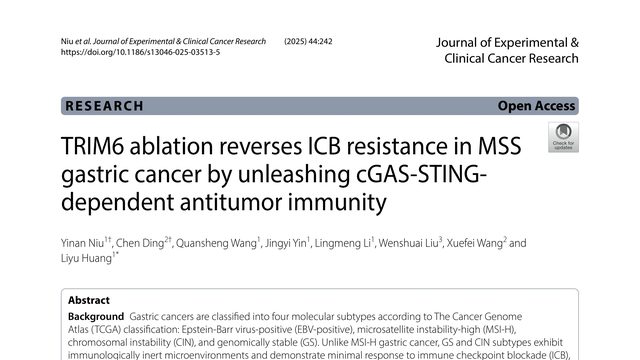
TRIM6 ablation reverses ICB resistance in MSS gastric cancer by unleashing cGAS-STING-dependent antitumor immunity 4:25

TRIM6 ablation reverses ICB resistance in MSS gastric cancer by unleashing cGAS-STING-dependent antitumor immunity

Some stomach cancers are “cold”: immune-based drugs barely work because the body’s defenders never arrive. This study points to a brake that may be keeping those defenders out, and shows what happened when the brake was removed.

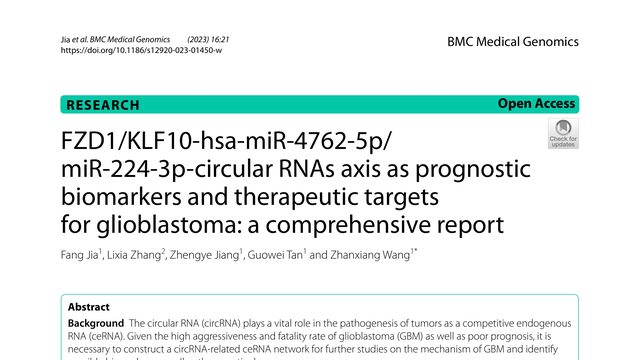
FZD1/KLF10-hsa-miR-4762-5p/miR-224-3p-circular RNAs axis as prognostic biomarkers and therapeutic targets for glioblastoma: a comprehensive report 4:08

FZD1/KLF10-hsa-miR-4762-5p/miR-224-3p-circular RNAs axis as prognostic biomarkers and therapeutic targets for glioblastoma: a comprehensive report

Glioblastoma is often rapidly fatal, yet this study points to two molecular signals whose levels were linked with how long patients survived. The bigger promise is a connected warning system, not a single marker.

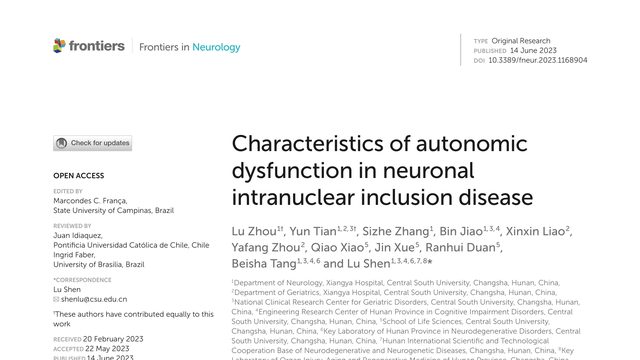
Characteristics of autonomic dysfunction in neuronal intranuclear inclusion disease 3:58

Characteristics of autonomic dysfunction in neuronal intranuclear inclusion disease

Some body functions run without permission: digestion, urination, temperature, and heartbeat. In this disease, those automatic systems may be sending one of the clearest clues that something deeper is wrong.