Neuroscience

16 open-access papers in Neuroscience, free to watch.

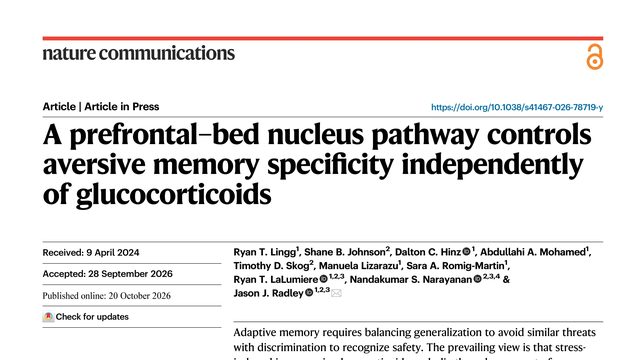
A prefrontal–bed nucleus pathway controls aversive memory specificity independently of glucocorticoids 5:07

A prefrontal–bed nucleus pathway controls aversive memory specificity independently of glucocorticoids

A frightening memory can protect you, or make a safe place feel dangerous. This study finds that the brain can change how widely fear spreads without changing how strong the fear itself is.

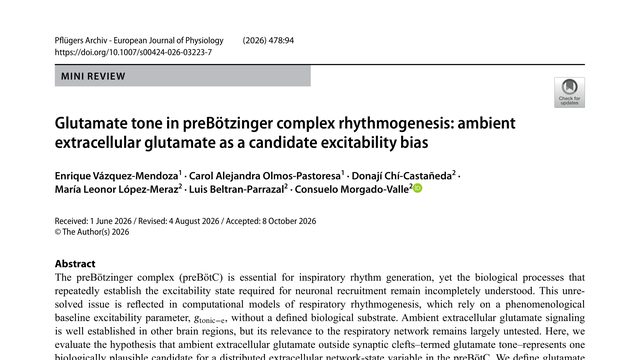
Glutamate tone in preBötzinger complex rhythmogenesis: ambient extracellular glutamate as a candidate excitability bias 4:51

Glutamate tone in preBötzinger complex rhythmogenesis: ambient extracellular glutamate as a candidate excitability bias

Breathing depends on a tiny brain network that repeatedly gathers enough strength to trigger each inhale. This paper asks whether the chemical background around those cells helps decide when that gathering can begin.

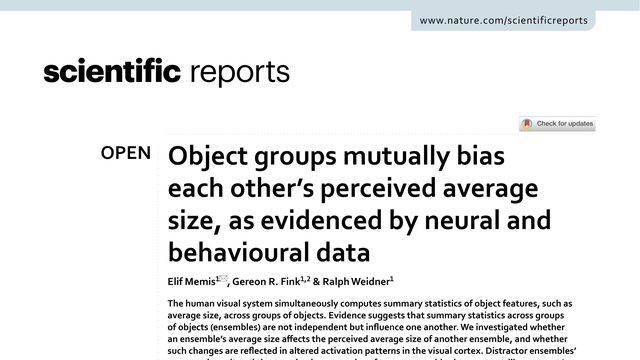
Object groups mutually bias each other’s perceived average size, as evidenced by neural and behavioural data 3:15

Object groups mutually bias each other’s perceived average size, as evidenced by neural and behavioural data

When you look at a group of objects, your brain can estimate their average size almost instantly. But that estimate is not fixed: another group nearby can quietly make the first group look larger or smaller.

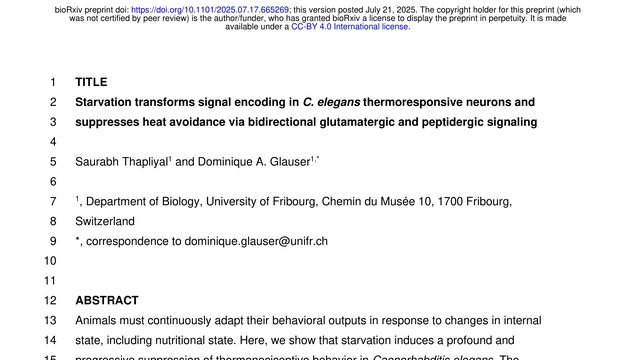
Starvation transforms signal encoding in C. elegans thermoresponsive neurons and suppresses heat avoidance via bidirectional glutamatergic and peptidergic signaling 5:03

Starvation transforms signal encoding in C. elegans thermoresponsive neurons and suppresses heat avoidance via bidirectional glutamatergic and peptidergic signaling

What if hunger could turn down an animal’s heat alarm, not just making the warning quieter, but changing the alarm’s pattern so escape is no longer the default?

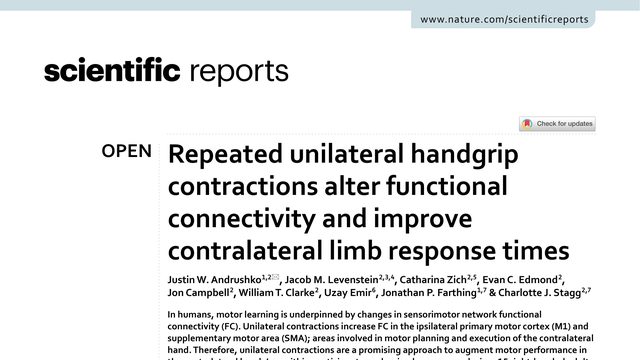
Repeated unilateral handgrip contractions alter functional connectivity and improve contralateral limb response times 3:38

Repeated unilateral handgrip contractions alter functional connectivity and improve contralateral limb response times

What if tiring out one hand could make the other hand respond faster? This study found that repeated squeezing with the right hand was followed by better performance in the left.

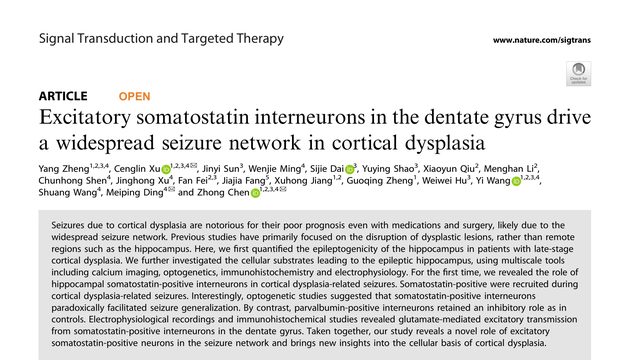
Excitatory somatostatin interneurons in the dentate gyrus drive a widespread seizure network in cortical dysplasia 3:50

Excitatory somatostatin interneurons in the dentate gyrus drive a widespread seizure network in cortical dysplasia

Some brain cells are supposed to act like brakes during seizures. But in a form of epilepsy linked to abnormal brain development, one group of those supposed brakes may instead help a seizure spread.

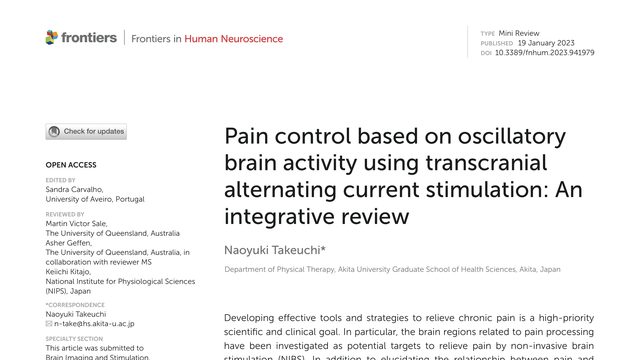
Pain control based on oscillatory brain activity using transcranial alternating current stimulation: An integrative review 3:55

Pain control based on oscillatory brain activity using transcranial alternating current stimulation: An integrative review

What if chronic pain is not only an alarm in the body, but also a rhythm in the brain? This review explores whether gently matching or reshaping those rhythms could turn the volume down.

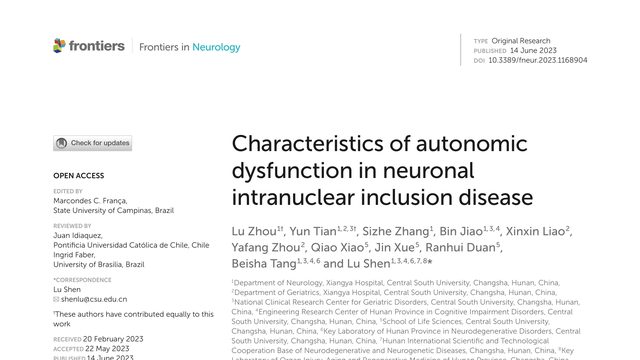
Characteristics of autonomic dysfunction in neuronal intranuclear inclusion disease 3:58

Characteristics of autonomic dysfunction in neuronal intranuclear inclusion disease

Some body functions run without permission: digestion, urination, temperature, and heartbeat. In this disease, those automatic systems may be sending one of the clearest clues that something deeper is wrong.

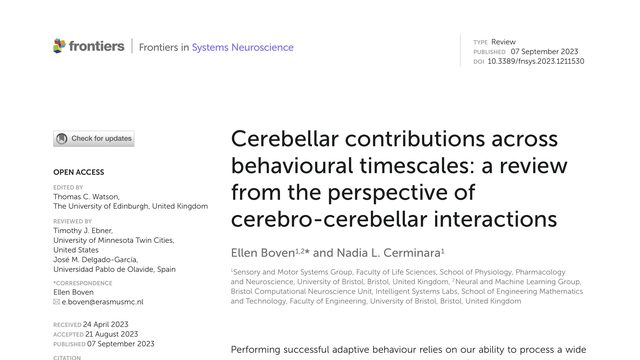
Cerebellar contributions across behavioural timescales: a review from the perspective of cerebro-cerebellar interactions 4:59

Cerebellar contributions across behavioural timescales: a review from the perspective of cerebro-cerebellar interactions

The cerebellum is usually pictured as the brain’s movement specialist. But evidence suggests it may also help us learn events that unfold over seconds or longer, by predicting what feedback will come next.

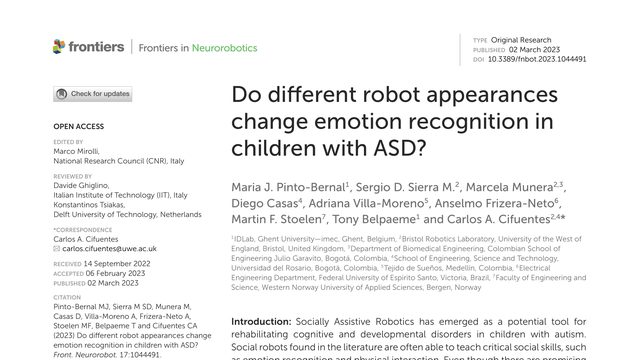
Do different robot appearances change emotion recognition in children with ASD? 3:00

Do different robot appearances change emotion recognition in children with ASD?

A robot can teach children to read emotions, but does its face change what they learn? This study found a striking difference in attention, but not the improvement many people might expect.

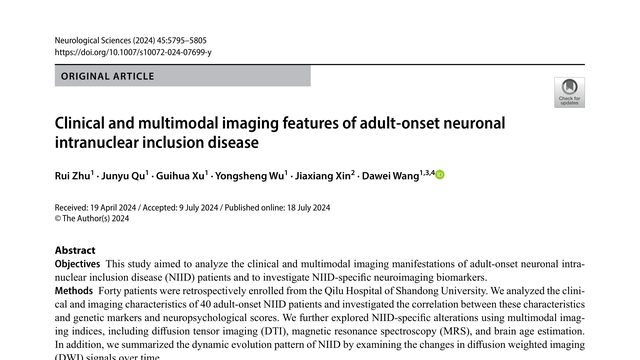
Clinical and multimodal imaging features of adult-onset neuronal intranuclear inclusion disease 4:00

Clinical and multimodal imaging features of adult-onset neuronal intranuclear inclusion disease

A rare brain disease can look completely different from one person to the next. But a particular pattern on a brain scan may provide a crucial clue, sometimes before doctors know what they are seeing.

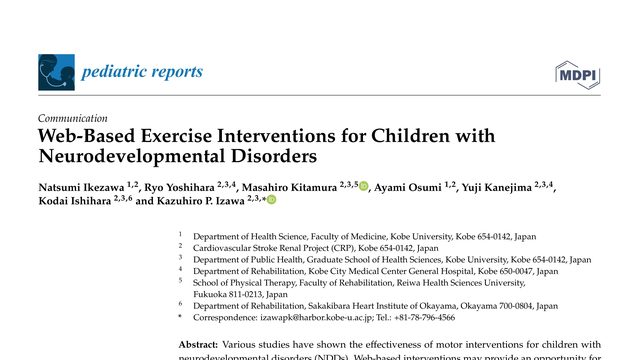
Web-Based Exercise Interventions for Children with Neurodevelopmental Disorders 3:09

Web-Based Exercise Interventions for Children with Neurodevelopmental Disorders

For some children, exercise support can be hard to reach. This review asks whether a screen can bring that support home, and finds encouraging results, but not for every child or every goal.