Materials Science

15 open-access papers in Materials Science, free to watch.

Solvent effects on the electronic structure, excited states, and nonlinear optical properties of two anthracene-based chalcone derivatives: a DFT and TD-DFT study 4:50

Solvent effects on the electronic structure, excited states, and nonlinear optical properties of two anthracene-based chalcone derivatives: a DFT and TD-DFT study

What if the liquid around a molecule could change not just how it absorbs light, but which of two molecules appears more powerful? This study finds that the answer can switch with the solvent.

High-throughput study of electrical conductivity in ordered metals 3:43

High-throughput study of electrical conductivity in ordered metals

Every phone, power line, and computer depends on electricity moving easily through metal. This study asks whether a computer can search millions of possible compounds and uncover conductors that could rival the best metals we already use.

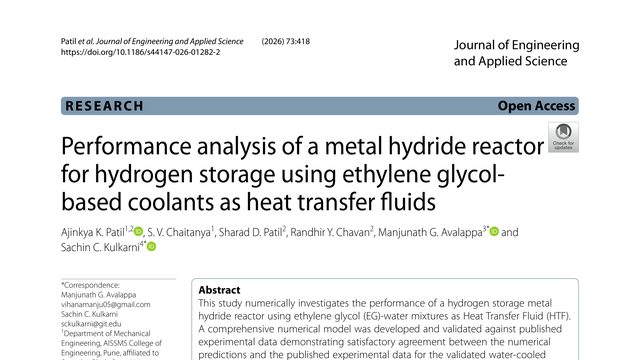
Performance analysis of a metal hydride reactor for hydrogen storage using ethylene glycol-based coolants as heat transfer fluids 3:25

Performance analysis of a metal hydride reactor for hydrogen storage using ethylene glycol-based coolants as heat transfer fluids

Hydrogen can store energy for heavy transport and industry, but storing it is not as simple as filling a tank. A coolant choice may shorten the storage cycle, while demanding far more pumping power.

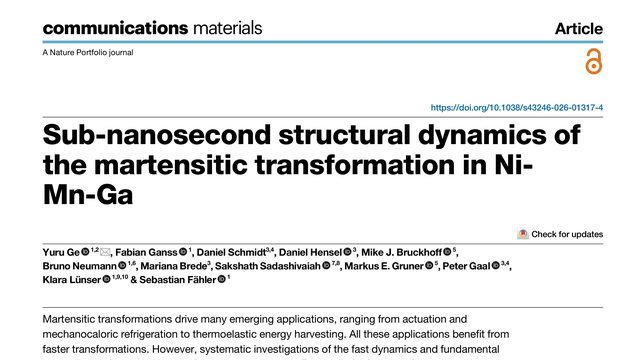
Sub-nanosecond structural dynamics of the martensitic transformation in Ni-Mn-Ga 3:55

Sub-nanosecond structural dynamics of the martensitic transformation in Ni-Mn-Ga

Some metals can change their internal structure almost instantly, and that motion can power tiny machines. This study finds a complete switching cycle in just five nanoseconds.

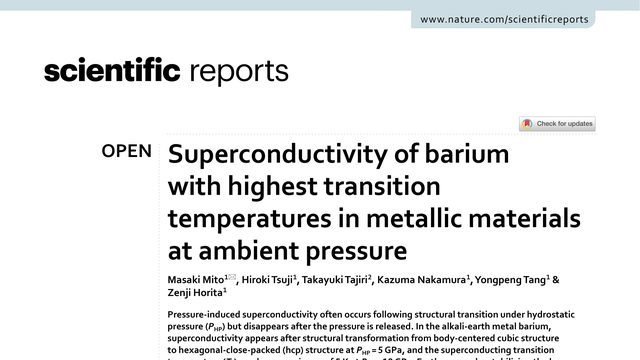
Superconductivity of barium with highest transition temperatures in metallic materials at ambient pressure 3:33

Superconductivity of barium with highest transition temperatures in metallic materials at ambient pressure

A material that normally needs crushing pressure to become superconducting can keep that special state after the pressure is gone. In barium, the result reaches twenty-four kelvin at ordinary pressure.

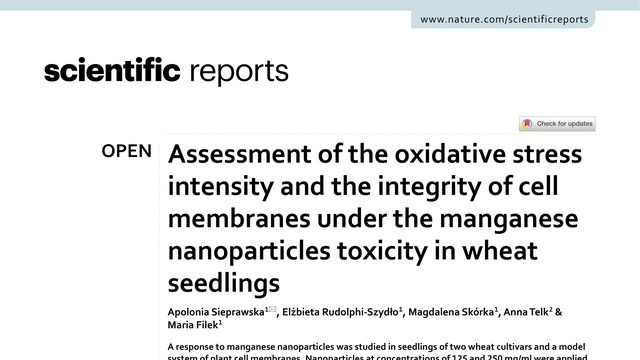
Assessment of the oxidative stress intensity and the integrity of cell membranes under the manganese nanoparticles toxicity in wheat seedlings 4:08

Assessment of the oxidative stress intensity and the integrity of cell membranes under the manganese nanoparticles toxicity in wheat seedlings

Tiny manganese particles sprayed onto wheat leaves did not simply sit on the surface. They entered the leaves, triggered a stress response, and quietly changed the membranes inside the plant.

Electrical and magnetic properties of antiferromagnetic semiconductor MnSi2N4 monolayer 3:49

Electrical and magnetic properties of antiferromagnetic semiconductor MnSi2N4 monolayer

Imagine a sheet so thin that its electrons can be made to choose sides: one direction flows like metal, while the other is blocked like a semiconductor. This study predicts a material that can do exactly that.

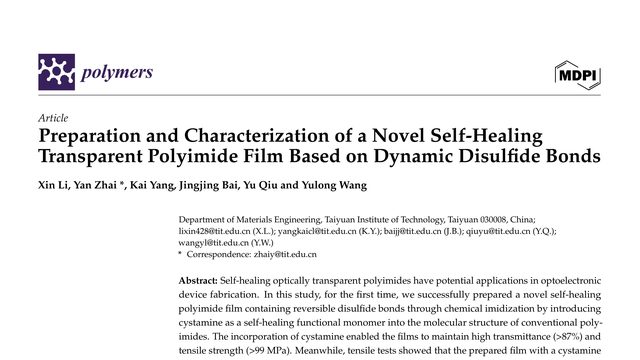
Preparation and Characterization of a Novel Self-Healing Transparent Polyimide Film Based on Dynamic Disulfide Bonds 3:44

Preparation and Characterization of a Novel Self-Healing Transparent Polyimide Film Based on Dynamic Disulfide Bonds

A scratch on a flexible screen can threaten the whole device. This study tests a clear plastic film that can close its own scratches when heated, while staying strong and transparent.

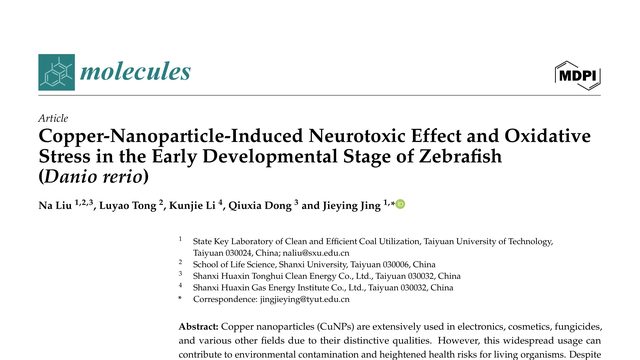
Copper-Nanoparticle-Induced Neurotoxic Effect and Oxidative Stress in the Early Developmental Stage of Zebrafish (Danio rerio) 3:57

Copper-Nanoparticle-Induced Neurotoxic Effect and Oxidative Stress in the Early Developmental Stage of Zebrafish (Danio rerio)

Copper nanoparticles are used in products people encounter every day. In developing zebrafish, they were linked to abnormal growth, disrupted nerve signaling, oxidative stress, and inflammation.

Atherosclerosis treatment with nanoagent: potential targets, stimulus signals and drug delivery mechanisms 6:42

Atherosclerosis treatment with nanoagent: potential targets, stimulus signals and drug delivery mechanisms

Heart disease kills at least nearly one in three people worldwide, yet the drugs used to fight artery disease can miss the damaged area or harm other organs. This review explores a striking alternative: tiny carriers that may find the trouble and open their medicine there.

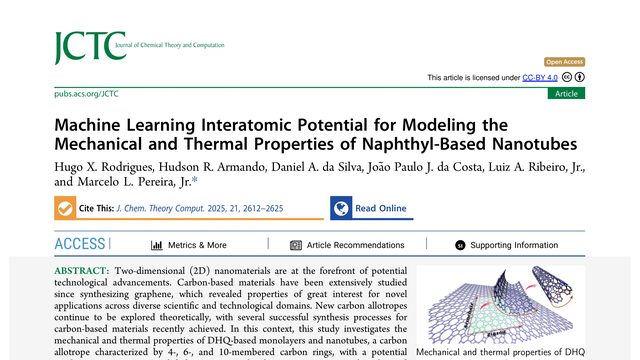
Machine Learning Interatomic Potential for Modeling the Mechanical and Thermal Properties of Naphthyl-Based Nanotubes 3:20

Machine Learning Interatomic Potential for Modeling the Mechanical and Thermal Properties of Naphthyl-Based Nanotubes

A tiny carbon structure can stay intact at temperatures far beyond ordinary industrial heat, yet snap suddenly when stretched. This study builds a faster way to find out exactly where those limits lie.

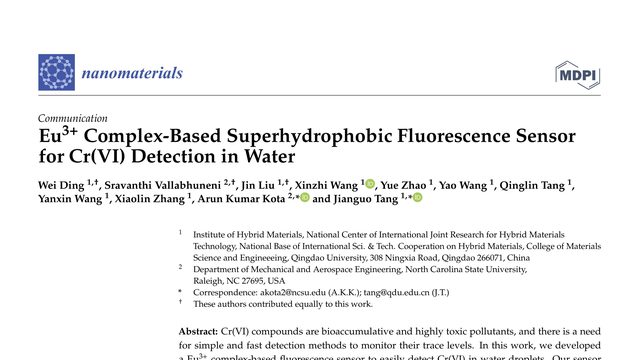
Eu3+ Complex-Based Superhydrophobic Fluorescence Sensor for Cr(VI) Detection in Water 4:21

Eu3+ Complex-Based Superhydrophobic Fluorescence Sensor for Cr(VI) Detection in Water

A tiny drop of water can reveal a dangerous pollutant without a large laboratory machine. This sensor turns the drop itself into a simple warning signal: the brighter light disappears when hexavalent chromium is present.