Comprehensive analysis regarding the prognostic significance of downregulated ferroptosis-related gene AKR1C2 in gastric cancer and its underlying roles in immune response
Overview4:01CCAI
paperi.ai
0:00 / 0:00
Wei Liu, Fan Zhang, Keda Yang, Yuanliang Yan
In stomach cancer, a gene involved in a form of cell death appears in smaller amounts than usual. The surprising part is that patients with more of this gene tended to have better outcomes.
Ferroptosis is a cell death form that has been reported to be involved in the progression of gastric cancer (GC). However, the underlying mechanism of ferroptosis in GC still needs to be further explored. This study conducted a survey regarding the biological functions of ferroptosis-related gene AKR1C2 in GC. Multiple bioinformatic platforms were applied to indicate that the expression level of AKR1C2 was downregulated in GC tissues, which displayed good prognostic value. Clinical statistics proved that AKR1C2 expression was correlated with several tumor characteristics of GC patients, such as characteristics of Nstage tumor or residual tumor. Additionally, LinkedOmics was employed to explore the coexpression network and molecular pathways of AKR1C2 in GC. Eventually, AKR1C2 was found to be involved in several immune-related signatures, such as immunostimulators, immunoinhibitors, chemokines and chemokine receptors. To sum up, these results may provide a novel insight into the significance and biological functions of ferroptosis-related gene AKR1C2 in GC tumorigenesis.
Transcript
In stomach cancer, a gene involved in a form of cell death appears in smaller amounts than usual. The surprising part is that patients with more of this gene tended to have better outcomes. Gastric cancer is one of the most common malignant tumors in the world and ranks as the fifth most diagnosed cancer worldwide.
Surgery, chemotherapy, and immunotherapy can help treat patients, but the survival rate is still low. That is why a new marker for predicting how the disease may progress matters. The study searched for new biomarkers involved in ferroptosis among stomach cancer patients, using bioinformatics tools, and found two down-regulated genes, AKR1C2 and MUC1.
One of them, AKR1C2, stood out because higher expression was followed by a more favorable prognosis, while its expression was higher in normal tissue than in cancer tissue. The study also examined whether AKR1C2 might serve as a predictive biomarker for the progression of stomach cancer in patients.
The study also reported in its final analysis that AKR1C2 was involved in immune regulation among patients with stomach cancer. Across three independent stomach-cancer datasets and a set of genes linked to iron-dependent cell death, only two genes were consistently reduced: AKR1C2 and MUC1.
That overlap makes them the study’s strongest leads for exploring how this cell-death process may relate to stomach cancer. Across several independent data sources, this gene’s activity is consistently lower in stomach cancer than in non-cancerous stomach tissue.
That consistency matters because it suggests the difference is a genuine feature of the disease, not a result of one particular dataset or measurement method. Patients with higher AKR1C2 expression had better overall survival, better time before the cancer returned or worsened, and better survival after progression.
The results indicated that AKR1C2 expression may predict a good prognosis in stomach cancer patients. The study found that lower AKR1C2 could be used as a prognostic prediction tool for stomach cancer. It also examined links between AKR1C2 and clinical characteristics, biological pathways, and immune cells inside the tumor.
Together, these investigations suggested that AKR1C2 may be a predictive biomarker and may play a role in immunotherapy for stomach cancer patients. AKR1C2 expression was positively correlated with mast cells, a type of helper T cell, eosinophils, B cells, and another type of helper T cell, but negatively correlated with several other immune-cell groups.
More specifically, higher AKR1C2 was linked with more of one helper T-cell group and B cells, and with less of two other immune-cell groups. AKR1C2 expression was also positively correlated with an immune checkpoint called VSIR, and both AKR1C2 and VSIR were lower in stomach cancer tissue than in normal tissue.
Overall, AKR1C2 was strongly correlated with the prognosis of stomach cancer patients. Its expression was also correlated with substances that stimulate or inhibit immune responses, as well as chemical signals and their receptors.
The study therefore suggests that AKR1C2 could become a promising prognostic biomarker for patients with stomach cancer, based on these study findings. AKR1C2 may be useful as a signal of how stomach cancer will progress, and its link with immune activity could eventually help guide treatment decisions.
The study identifies a lead, not a finished test.
A derivative work by Paperi · AI-generated script, voice and captions
· pages and figures unaltered
Made with Paperi.
Drop in a research PDF — get a narrated video walkthrough like this one,
with highlights that follow the narration. Free to start.
Kotohiko Kimura, Jong Ho Chun, Yu‐Ling Lin, Yu‐Chuan Liang, Tiffany L. B. Jackson, Ru Chih C. Huang
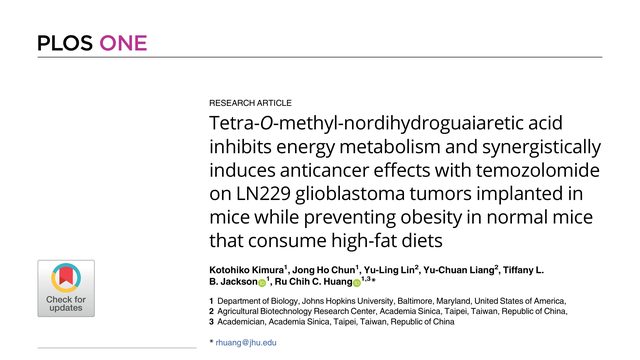
What if a cancer treatment could attack a tumor by disrupting its energy supply, and work more strongly when paired with an existing drug? In mice, that is what this study found, while the same substance also limited weight gain on a high-fat diet.What if a cancer treatment worked partly by disrupting the tumor’s fuel systems, and the same compound also limited weight gain in mice eating a high-fat diet? This study tests that surprising combination.
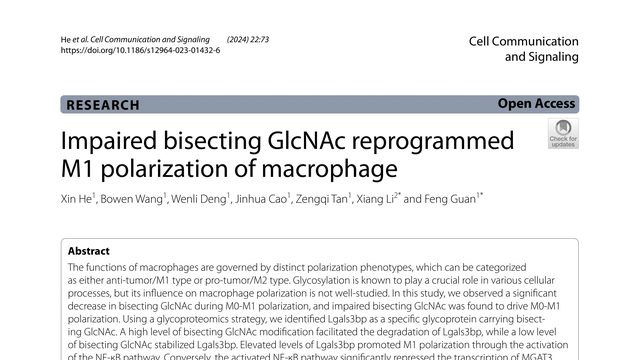
Immune cells can help attack a tumor or help it grow. This study suggests that a tiny sugar pattern on their surface helps decide which role they take, and removing it pushes them toward attack.A tiny change in a sugar structure may help push macrophages toward an anti-tumor state. This study traces that switch from bisecting GlcNAc, to Lgals3bp, to NF-kappa B signaling.
Jane Callaghan, Lisa Fellin, Stavroula Mavrou, Joanne H. Alexander, Vasiliki Deligianni-Kouimtzi, Maria Papathanassiou, Judith Sixsmith
For a child living with domestic abuse, a pet may be more than a beloved animal. It may be a source of comfort, safety, and the feeling of being heard, while also becoming part of the danger.For children living with domestic violence and abuse, a pet can be much more than a pet: a family member, a source of comfort, and sometimes part of the control and danger itself.
 5:36