Prevalence and occupational exposure to zoonotic diseases in high-risk populations in the Free State Province, South Africa
Overview4:24CCAI
paperi.ai
0:00 / 0:00
Cornelius G. van der Westhuizen, Felicity Jane Burt, Nina van Heerden, Willie van Zyl, Tonia Anthonissen, Jolly Musoke
The animals people depend on for food and income can also carry infections across the boundary between farms and homes. In South Africa, that boundary looked quiet for one disease, but not for all of them.
Introduction: Zoonotic diseases are responsible for 2.5 billion human cases globally and approximately 2.7 million deaths annually. Surveillance of animal handlers and livestock for zoonotic pathogens contributes to understanding the true disease burden and risk factors within a community. This study investigated the prevalence of selected zoonoses in cattle, farm workers and occupational exposure to endemic zoonotic diseases and their associated risk factors. Methods: Sputum samples from farmworkers were screened for Mycobacterium bovis. Blood specimens from farmworkers and archived sera were tested for serological evidence of Brucella sp., hantaviruses, and Leptospira sp. Communal and commercial cattle herds were tested for bovine tuberculosis and brucellosis. Results: Mycobacterium bovis was not isolated from human samples. A total of 327 human sera were screened, and 35/327 (10.7%) were Brucella sp. IgG positive, 17/327 (5.2%) Leptospira sp. IgM positive, and 38/327 (11.6%) hantavirus IgG positive (95% CI). A higher proportion of Brucella sp. IgG-positive samples were detected among veterinarians (value of p = 0.0006). Additionally, two cattle from a commercial dairy farm were bovine tuberculosis (bTB) positive using the bTB skin test and confirmatory interferon-gamma assay. A higher percentage of confirmed brucellosis-positive animals were from communal herds (8.7%) compared to commercial herds (1.1%). Discussion: These findings highlight the brucellosis and M. bovis prevalence in commercial and communal herds, the zoonotic disease risk in commercial and subsistence farming in developing countries, and the occupational and rural exposure risk to zoonotic pathogens.
Transcript
The animals people depend on for food and income can also carry infections across the boundary between farms and homes. In South Africa, that boundary looked quiet for one disease—but not for all of them. Diseases that pass between animals and people are responsible for 2.5 billion human cases globally and approximately 2.7 million deaths annually.
That makes contact with livestock a public-health question, not only a farming question. Surveillance of animal handlers and livestock contributes to understanding the true disease burden and risk factors within a community.
This study therefore looked at cattle, farm workers, and exposure linked to their work. The study compared two ways of farming: communal or backyard subsistence farming and large-scale commercial farming. It investigated infection in cattle and farm workers, along with the factors linked to risk.
It also set out to document occupational and environmental exposure to three infection groups: Brucella species, Leptospira species, and hantaviruses, across South Africa’s Free State province. The testing covered cattle across two municipal regions in South Africa’s Fezile Dabi district, including dairy and beef farms and a community cattle enclosure.
That spread matters because the results reflect several different cattle-keeping settings, not just one farm. The study followed workers who had occupational exposure to animals and cattle. The farms already had cattle scheduled for routine screening for bovine tuberculosis and brucellosis through the provincial surveillance program.
Farm workers on those farms were then screened for signs of tuberculosis-causing bacteria and for antibodies showing exposure to brucellosis, and they completed a questionnaire. Among the cattle checked, three of fifty-one in Maokeng and four of thirty-three on farm A were classified as suspected reactors by the study’s screening test.
But in the cattle tested, the study detected no positive bovine tuberculosis results at or above its stated threshold of twenty. So the first picture is not of widespread cattle tuberculosis. The results available from the screening did not identify a clear positive result at that threshold.
Signs of exposure to brucellosis were detected in all occupations. Among the farm workers, antibodies were found in Maokeng community farmers and in one worker from farm B. Signs of exposure to leptospirosis and hantaviruses were mainly detected in abattoir workers and stable groomsmen.
The risk was not evenly distributed across every job. The cattle tuberculosis prevalence detected in this study was 0.7 percent, representing two animals, and both came from commercial dairy farm B. The researchers say the result was lower than reports from several other sub-Saharan countries.
The findings are consistent with potentially effective control schemes lowering cattle tuberculosis transmission at the study site. But wildlife can also spread this infection to nearby livestock where the two meet. Hantaviruses are usually transmitted through environmental exposure, but their presence in South Africa has not been confirmed.
The study’s antibody findings were similar to those in other studies, yet the researchers say this limited study cannot establish a conclusion. Because possible rodent hosts are present in Africa, the researchers say these infections could occur and should be investigated among people at risk.
A large proportion of people in South Africa depend on animals for food, trade, companionship, or services. That is why the study encourages a One Health approach: understanding human and animal health together. More emphasis should go to populations at higher risk of zoonotic infection in epidemiological investigations, especially in a country where many people depend on animals for food, trade, companionship, or services.
The study found different risks in different farming communities: tuberculosis in cattle was uncommon, while signs of several other infections appeared among people and animals. Safer farming depends on watching both sides together.
A derivative work by Paperi · AI-generated script, voice and captions
· pages and figures unaltered
Made with Paperi.
Drop in a research PDF — get a narrated video walkthrough like this one,
with highlights that follow the narration. Free to start.
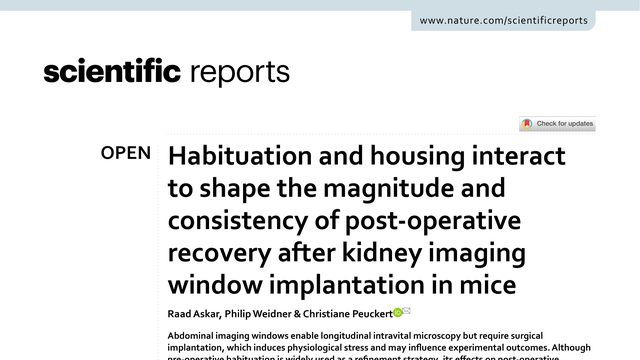
A routine step before surgery, gently handling mice so they become used to people, did not simply make recovery better or worse. Its effect depended on who the mice were and where they lived afterward.Handling mice before surgery sounds like an obvious way to make recovery gentler. But in this study, habituation sometimes increased weight loss, and its biggest effect was not the average mouse, but how different the mice were from one another.
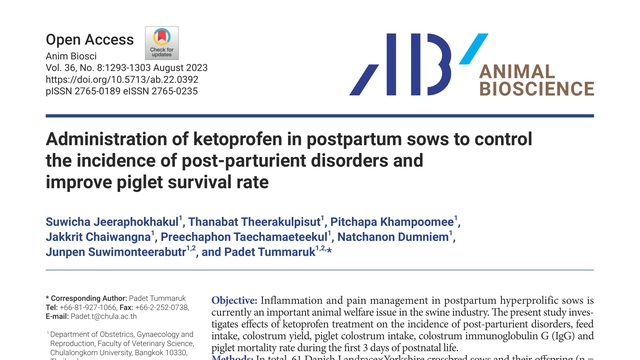
The first days after birth can decide whether a piglet survives. This study asks whether easing a mother’s pain changes that delicate handoff of early nourishment, and finds a more complicated answer.What if a postpartum anti-inflammatory drug could support sow welfare without improving piglet survival at all? This study tests ketoprofen against a conventional treatment, and finds a much more complicated story.
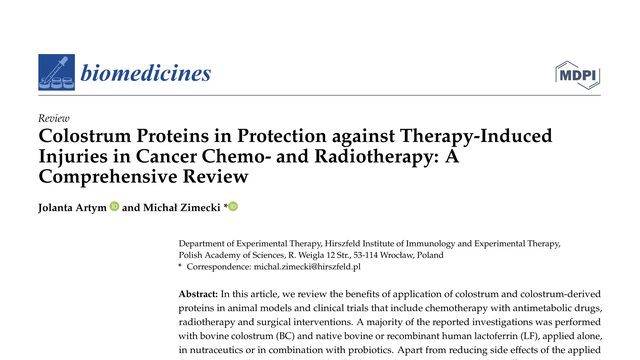
Cancer treatment can attack healthy tissue while attacking a tumor. This review asks whether proteins from colostrum, the first milk after birth, could help protect the body without weakening treatment.Cancer treatments can attack healthy tissues while attacking tumors. This review asks whether colostrum proteins, especially lactoferrin, could reduce those injuries while preserving or even improving treatment effects.
 3:31