Exploitation of Quercetin’s Antioxidative Properties in Potential Alternative Therapeutic Options for Neurodegenerative Diseases
Curious3:14CCAI
paperi.ai
0:00 / 0:00
Viorica Rarinca, Mircea Nicoară, Dorel Ureche, Alin Ciobîcă
A compound found in fruits and vegetables may help protect nerve cells from damage linked to aging brain diseases. But the evidence is promising, uneven, and not yet a treatment people can rely on.
Oxidative stress (OS) is a condition in which there is an excess of reactive oxygen species (ROS) in the body, which can lead to cell and tissue damage. This occurs when there is an overproduc-tion of ROS or when the body’s antioxidant defense systems are overwhelmed. Quercetin (Que) is part of a group of compounds called flavonoids. It is found in high concentrations in vegetables, fruits, and other foods. Over the past decade, a growing number of studies have highlighted the therapeutic potential of flavonoids to modulate neuronal function and prevent age-related neurodegeneration. Therefore, Que has been shown to have antioxidant, anticancer, and anti-inflammatory properties, both in vitro and in vivo. Due to its antioxidant character, Que alleviates oxidative stress, thus improving cognitive function, reducing the risk of neurodegenerative diseases. On the other hand, Que can also help support the body’s natural antioxidant defense systems, thus being a potentially practical supplement for managing OS. This review focuses on experimental studies supporting the neuroprotective effects of Que in Alzheimer’s disease (AD), Parkinson’s disease (PD), Huntington’s disease (HD), and epilepsy.
Transcript
A compound found in fruits and vegetables may help protect nerve cells from damage linked to aging brain diseases. But the evidence is promising, uneven, and not yet a treatment people can rely on. When oxidation and antioxidant systems fall out of balance, with oxidation prevailing, oxidative stress shifts the overall balance toward damage.
This condition is linked to the progressive degeneration and death of nerve cells, especially in neurodegenerative diseases and age-related brain processes. Quercetin has been reported to remove oxygen radicals and, through related antioxidant action, lessen nerve-cell damage caused by oxidative stress in neurons.
The review examines whether quercetin could help prevent or treat neurological and neurodegenerative diseases, and it considers the possible ways it might work. It also brings together information about where this antioxidant compound comes from and its other effects on the body.
The review included forty-three articles. The studies were too different to combine into one overall calculation, so the evidence was gathered as a connected explanation instead. The results were organized by disease and by whether the work took place in living animals or in isolated cells.
In studies of Alzheimer’s disease, quercetin was linked with better spatial memory and learning. It also tended to improve active behavior and reduce signs of nerve-cell degeneration in mice. Long-term quercetin consumption in another mouse model was observed to prevent memory loss, toxicity caused by a damaging protein fragment, and problems in the cells’ energy machinery.
In isolated-cell studies related to Parkinson’s disease, quercetin improved the quality control of the cells’ energy machinery, reduced damaging chemical stress, and increased protective antioxidant enzymes. In living mice and rats, quercetin was linked with better movement and muscle activity, higher levels of a chemical messenger involved in movement, and protection from energy-related nerve-cell damage.
Quercetin is presented as a possible shield for nerve cells: it may reduce damaging protein buildup, harmful chemical stress, inflammation, and impaired thinking across several brain disorders. For Huntington’s disease, combining quercetin with another antioxidant reduced several kinds of chemical, behavioral, and biological change in rat brains.
But the findings were inconsistent, so they do not support a clear conclusion yet. Taken together, the research suggests that quercetin may help prevent progressive age-related diseases affecting the brain, including Alzheimer’s disease, Parkinson’s disease, Huntington’s disease, and epilepsy.
That possibility still needs stronger research before anyone can know how effective quercetin is for these disorders in practice. Quercetin may help the brain’s defenses cope with damaging chemical stress, with encouraging findings across several diseases. But inconsistent evidence means it remains a possibility to investigate, not a proven therapy.
A derivative work by Paperi · AI-generated script, voice and captions
· pages and figures unaltered
Made with Paperi.
Drop in a research PDF — get a narrated video walkthrough like this one,
with highlights that follow the narration. Free to start.
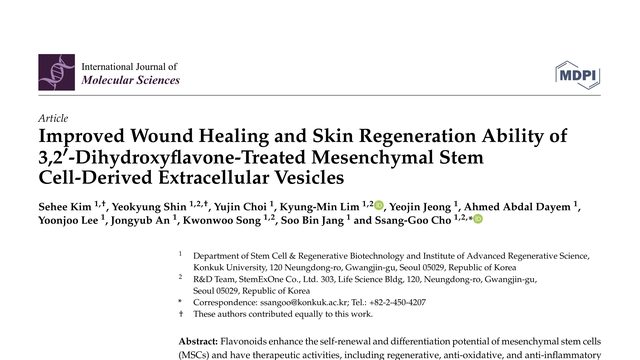
Se Hee Kim, Yeokyung Shin, Yujin Choi, Kyung Min Lim, Yeojin Jeong, Ahmed Abdal Dayem, Yoon-Joo Lee, Jongyub An, Kwonwoo Song, Soo Bin Jang, Ssang‐Goo Cho
A healing cell may not need to be placed into a wound to help it. This study suggests that tiny packages released by specially treated cells can calm inflammation and help damaged skin close faster.What if the key to better wound healing is not transplanting stem cells, but collecting more powerful messages from them? This study uses a flavonoid to make stem-cell vesicles more abundant and more effective.
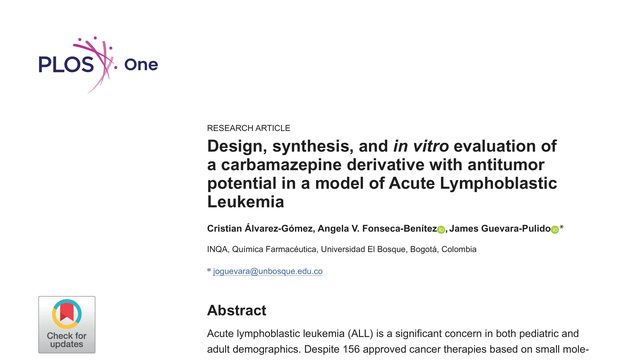
Cristian Álvarez-Gómez, Angela Fonseca-Benítez, James Guevara‐Pulido
A medicine already used for other conditions was reshaped into a possible leukemia treatment. In laboratory tests, its redesigned form reduced leukemia-cell survival while showing a more favorable effect on healthy cells.What if a familiar anticonvulsant could be redesigned into a leukemia candidate? This study starts with carbamazepine, computationally engineers more than fifty analogs, and sends one—CR80—into laboratory testing.
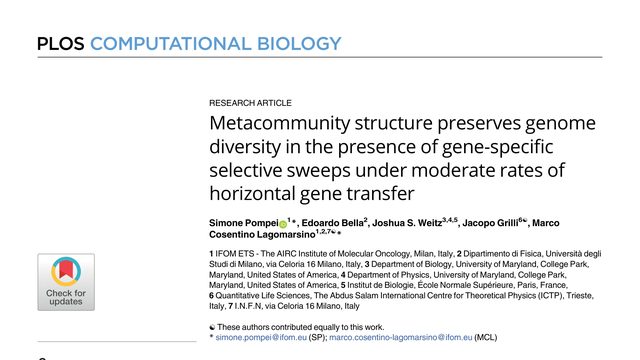
Simone Pompei, E. Della Bella, Joshua S. Weitz, Jacopo Grilli, Marco Cosentino Lagomarsino
A useful gene can spread through a microbial community without dragging the rest of the genome along with it. This study suggests that separated habitats help explain how diversity survives that takeover.A beneficial gene can sweep through a microbial community without sweeping away the genomes around it. This model suggests that patchy habitats, plus only moderate horizontal gene transfer, may be enough to preserve genome diversity.
 3:55
3:55